
Relocating to a new country is an exciting experience—but being aware of local challenges helps ensure a safe and smooth transition. Here's what to keep in mind.
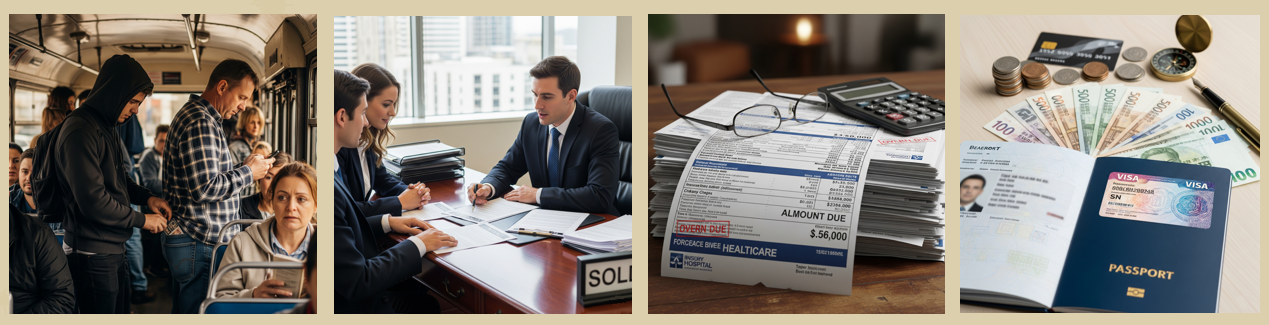
First, be aware of general crime, especially in larger cities or tourist areas where pickpocketing and petty theft can happen. Avoid walking alone at night in unfamiliar places, and try not to display valuables like expensive jewelry or electronics. When traveling within the country, always use trusted transportation options such as registered taxis or reliable ride-hailing apps, and avoid hitchhiking or accepting rides from strangers. Plan your routes in advance and check local travel advisories. If you feel unsafe, don’t hesitate to ask for help or directions from official sources like police stations or tourist information centers.
Financial scams are another common risk, especially for newcomers. Be cautious of strangers offering investment opportunities, overpriced services, or seemingly helpful guides who may have hidden intentions. Don’t share sensitive financial information or send money to people you haven’t met in person. Always use established banks and trusted financial services, and steer clear of street money changers or unlicensed agents.
If you're planning to rent or buy property, take extra precautions. Real estate scams targeting foreigners are not uncommon. Always verify property ownership and insist on seeing legal documents. Don’t transfer money or pay deposits before signing a legitimate contract, and consider working with a licensed real estate agent or local lawyer to avoid fraud. Be skeptical of deals that seem too good to be true or landlords who push for quick decisions without paperwork.
Healthcare is another important consideration, consider international health insurance that covers emergencies and long-term care. The quality of healthcare can vary by country and region, so research hospitals and clinics near your new home in advance. In some areas, it's best to avoid tap water and stick to bottled or filtered options. If you take prescription medication, bring a supply and learn the local names or equivalents in case you need to refill.
Lastly, prepare for emergencies by saving local emergency numbers in your phone and registering with your home country’s embassy or consulate. This ensures you can be contacted or assisted in case of political unrest, natural disasters, or personal emergencies. When interacting with local authorities, be polite and clear, and keep important documents like your passport and visa easily accessible. Keep trusted friends or family updated on your location and contact details, especially in the first few weeks after moving.